Understanding Curatorial Practices in Rotating Shows
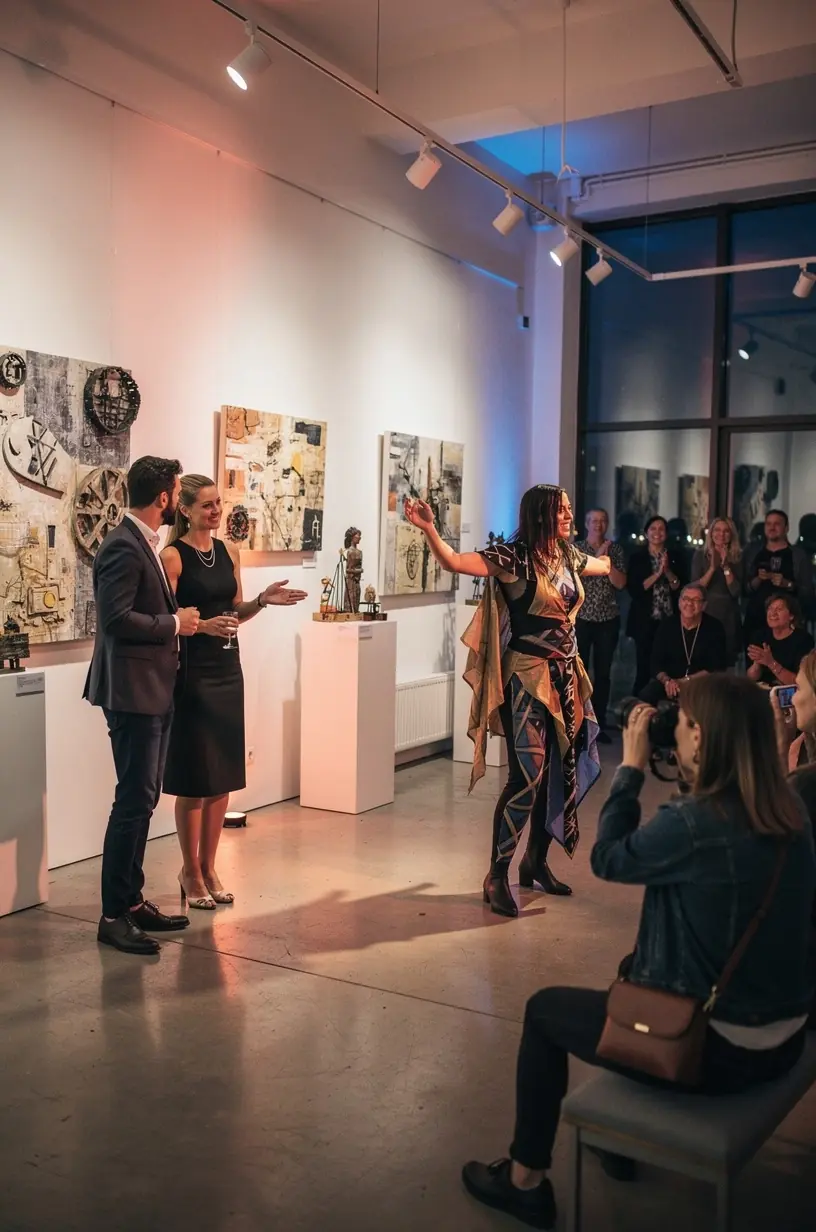
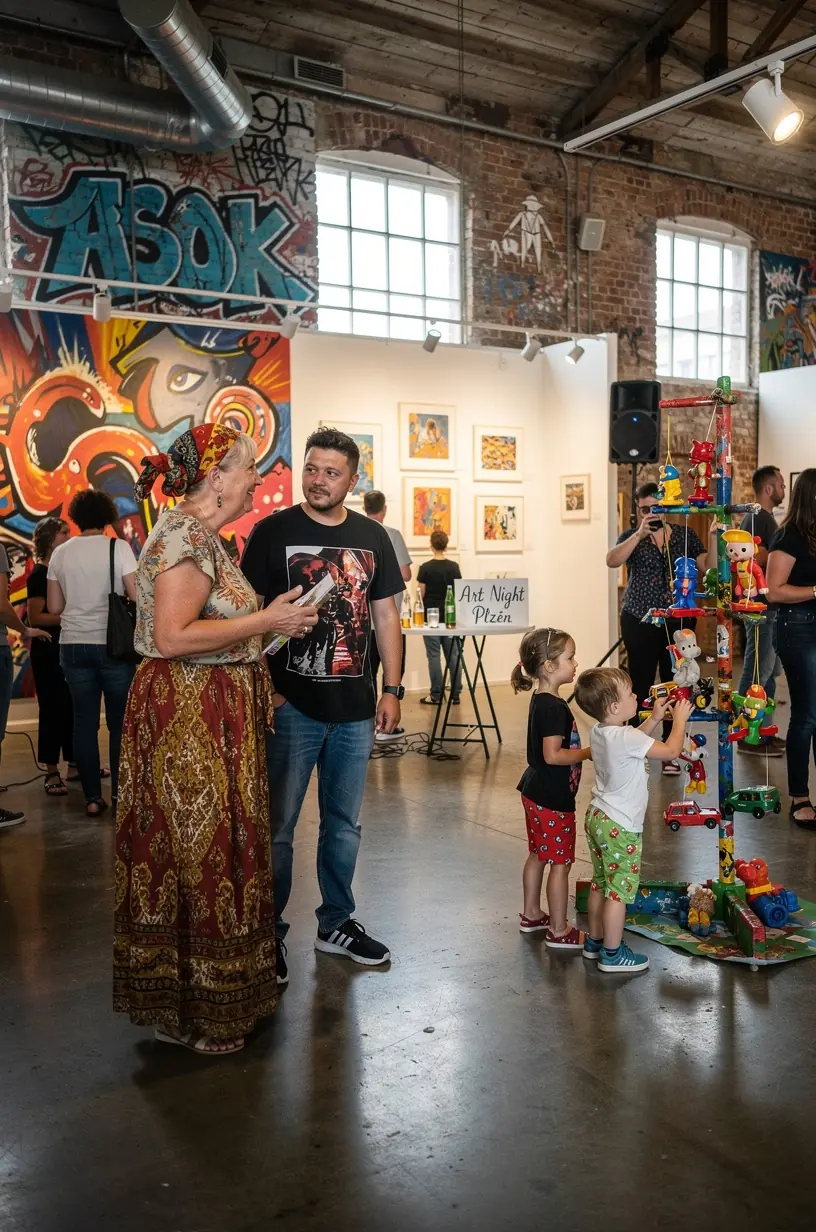
Curatorial practices play a pivotal role in shaping art exhibitions, particularly those featuring rotating shows. These exhibitions, often designed to highlight local artists and cultural narratives, require a nuanced understanding of both art presentation and audience engagement. This article explores the methodology behind curatorial practices and how they contribute to the success of rotating shows in galleries across the Czech Republic.
What Are Curatorial Practices?
Curatorial practices refer to the strategies and methods employed by curators to select, organize, and present artworks. According to research in the field of museum studies, effective curatorial practices not only showcase art but also enhance visitor experience and education. The principle behind these practices is that a thoughtfully curated exhibition can foster a deeper connection between the artwork and its audience.
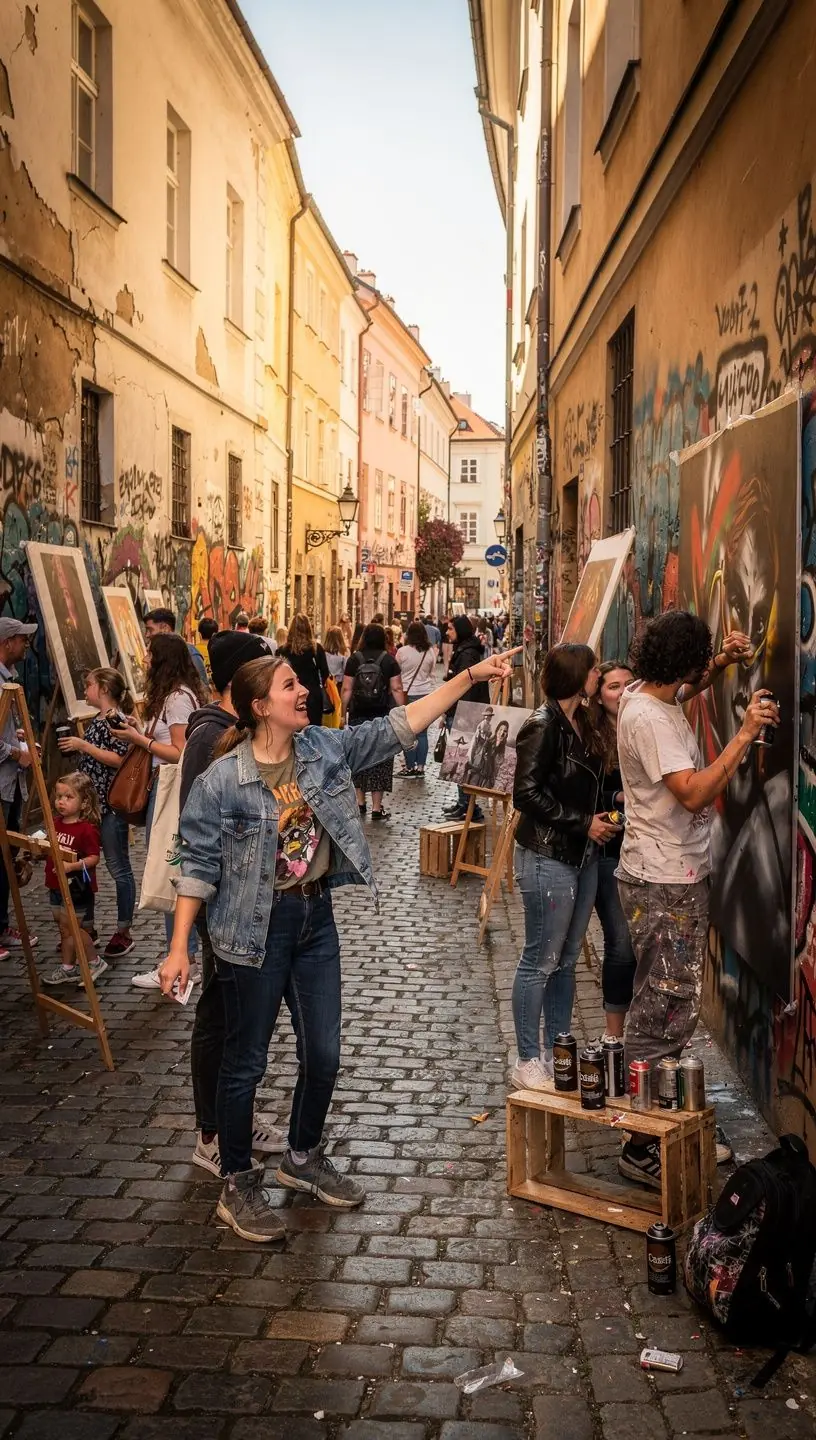
"Curatorial practices are essential in transforming a collection into a cohesive narrative that speaks to the audience." - Art Curator, Jane Doe
The Process of Curating Rotating Shows
In most cases, curatorial practices for rotating shows involve several key steps:
- Research and Concept Development: Curators begin by researching themes that resonate with the local community or highlight specific artistic movements. Studies show that engaging with local narratives can significantly enhance the relevance of the exhibition.
- Artist Selection: Curators often choose artists whose work aligns with the exhibition's theme. This selection process typically involves reviewing portfolios and conducting interviews, which can take anywhere from a few days to several weeks.
- Installation Design: The layout of the exhibition is crucial. Curators must consider how artworks interact with each other and the space. Experts recommend using spatial arrangements that guide the visitor's journey through the exhibition.
- Marketing and Audience Engagement: Promoting the exhibition to attract visitors involves creating informative materials and engaging with local communities. Many users report that effective marketing can lead to increased attendance and a richer audience experience.
Challenges in Curatorial Practices
While curatorial practices are integral to the success of rotating shows, they do come with challenges. These may include:
- Time Constraints: Curating an exhibition typically requires a significant time commitment, often taking several months from conception to opening.
- Resource Limitations: Many galleries operate on limited budgets, which can restrict the scope of exhibitions and artist selection.
- Audience Expectations: Curators must balance artistic intent with audience preferences, a task that can be particularly challenging in diverse cultural settings.
Strategies for Effective Curatorial Practices
To navigate these challenges, curators can implement several strategies:
- Collaborative Approaches: Engaging with local artists and communities can yield innovative ideas and foster stronger connections. Research indicates that collaborative exhibitions often result in higher visitor satisfaction.
- Flexibility: Being open to change and adapting the exhibition based on feedback can improve the overall experience. Many curators find that iterative processes lead to better outcomes.
- Educational Programming: Incorporating workshops, talks, and guided tours can enhance visitor engagement and deepen their appreciation of the artworks on display.
Conclusion
Understanding curatorial practices is essential for anyone involved in the art world, particularly in the context of rotating shows. By employing effective methodologies and acknowledging the challenges, curators can create exhibitions that are not only visually captivating but also culturally resonant. As galleries in the Czech Republic continue to showcase local artists and cultural narratives, the role of the curator remains vital in bridging art and audience.
Learn More