Navigating the Logistics of Offline Cultural Events
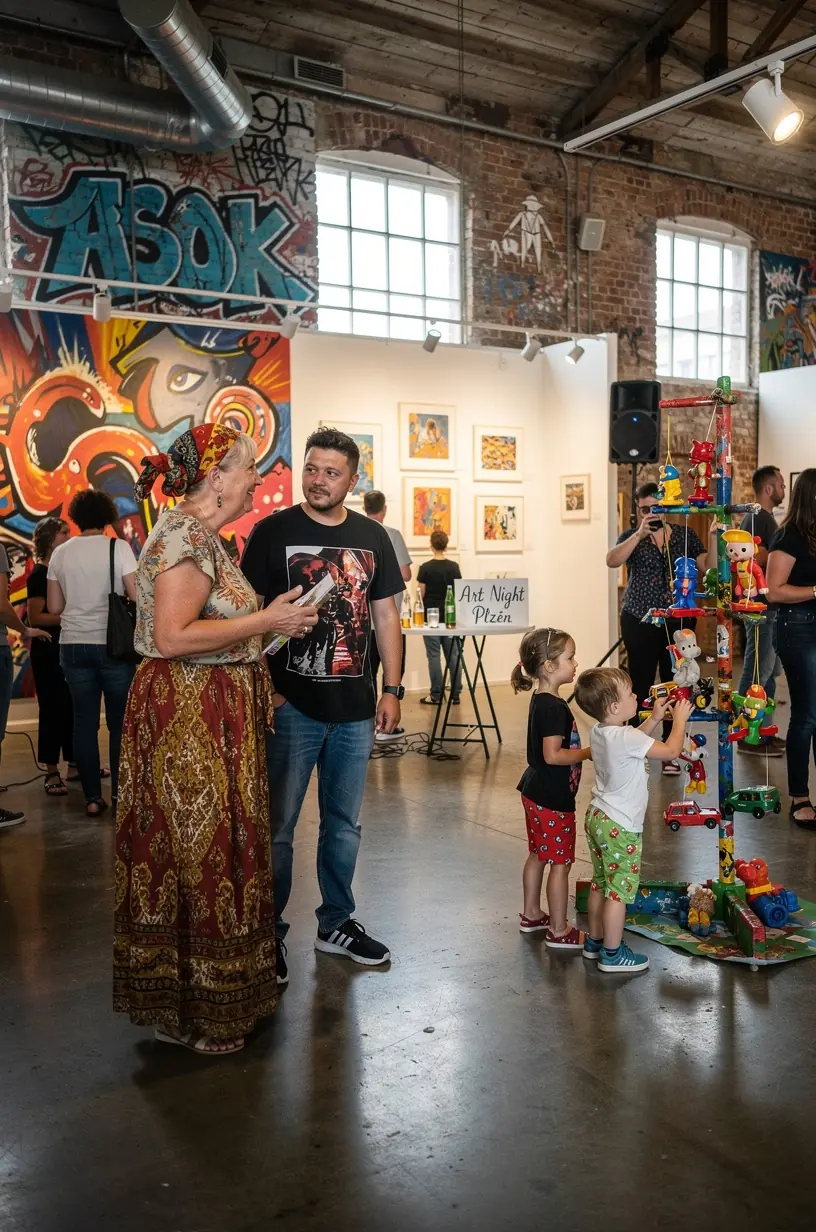
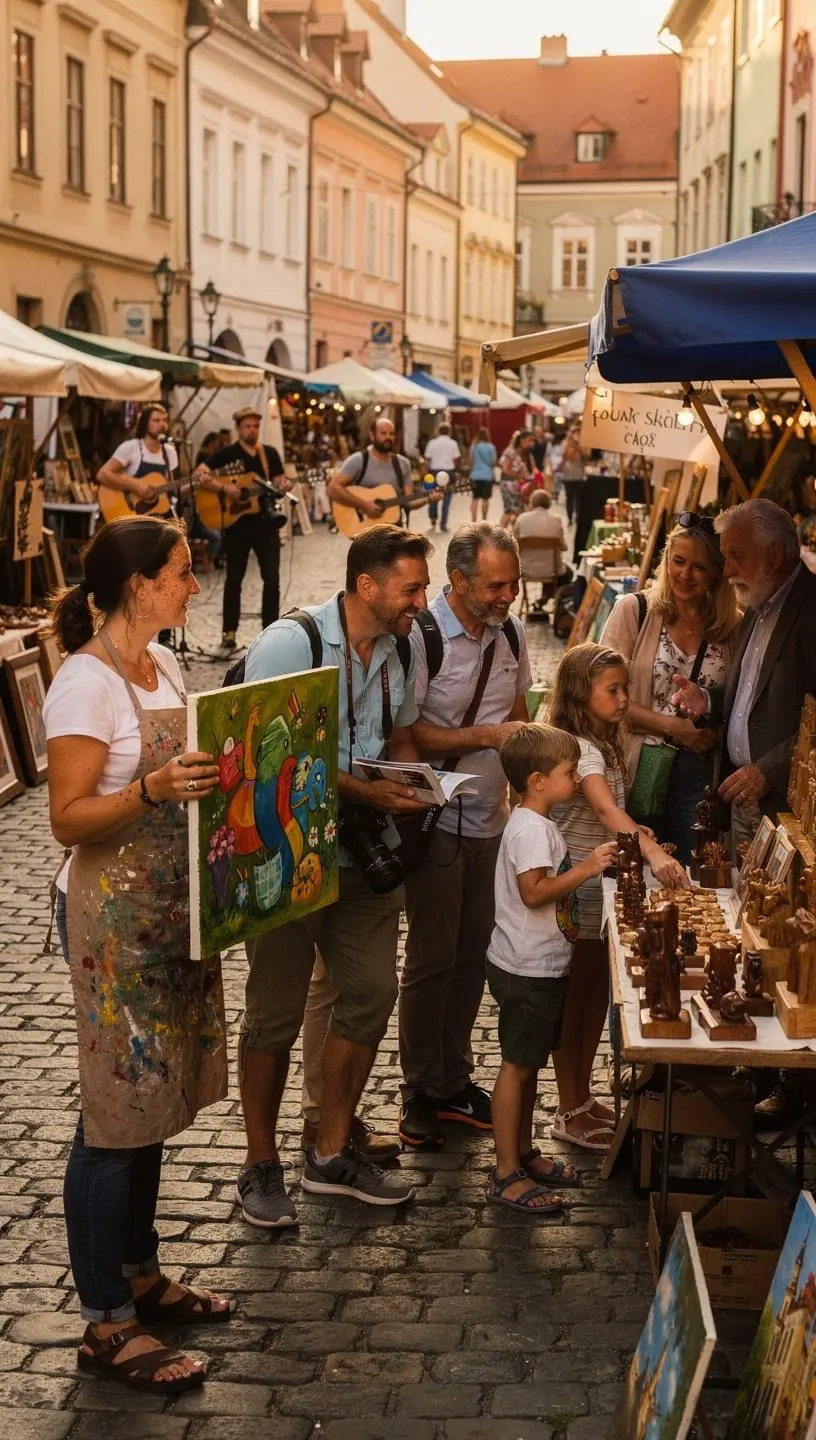
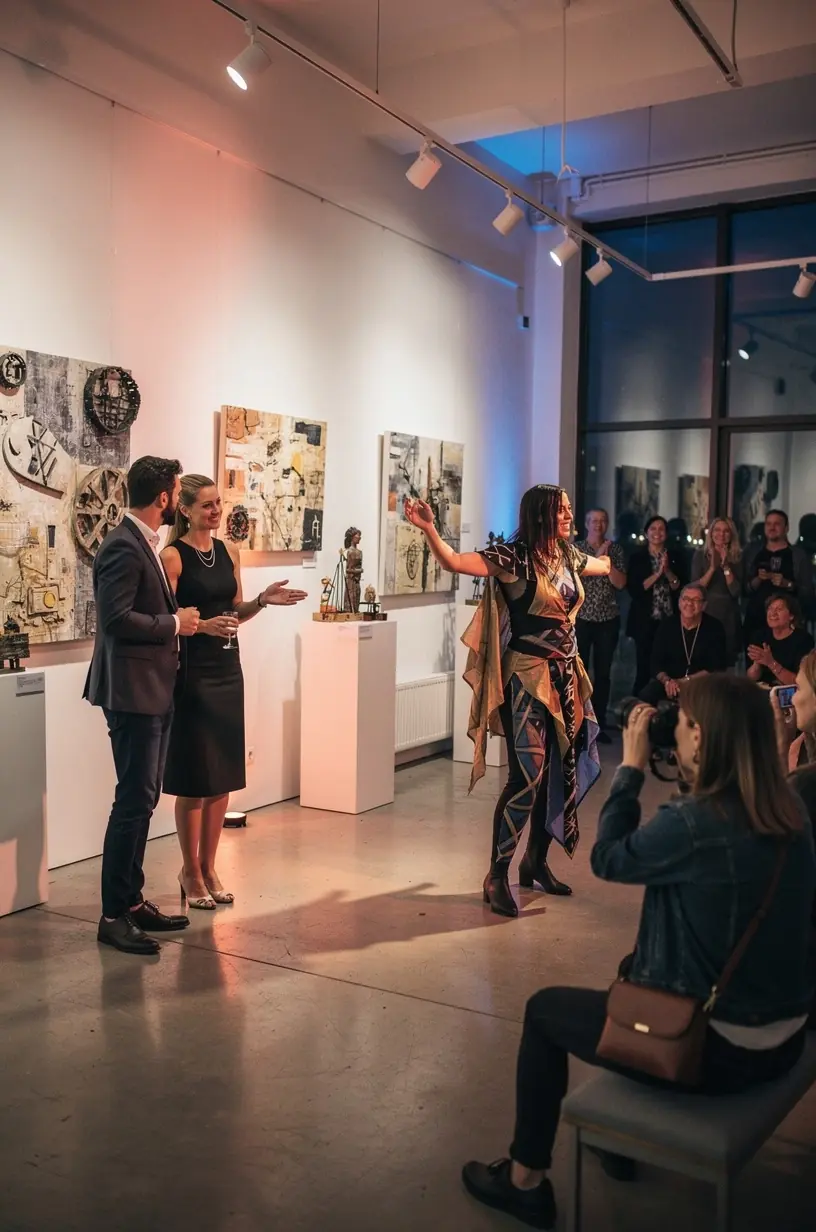
As art exhibition galleries in the Czech Republic continue to host rotating shows and local artist showcases, effective planning for offline cultural events becomes essential. This article explores practical insights and guidelines that can help both organizers and attendees navigate the complexities of these vibrant occasions.
Understanding the Basics of Event Logistics
Effective logistics management is crucial for the success of any offline cultural event. According to industry experts, logistics encompasses the planning, execution, and control of the flow of goods and services, including event materials, personnel, and attendees. This process typically involves multiple components:

- Venue Selection: Choosing the right venue can significantly impact attendance. Many users report that venues with good accessibility and facilities attract larger crowds.
- Scheduling: Timing plays a critical role; research indicates that events scheduled during weekends or holidays often experience higher turnout.
- Promotion: Effective marketing strategies, including social media outreach and local partnerships, can help increase visibility and engagement.
The Importance of Planning Ahead
Planning for offline cultural events often requires a minimum commitment of two to four months to ensure all aspects are covered. This timeframe allows for:
- Securing permits and licenses: Many cities in the Czech Republic require specific permits for public gatherings, which can take weeks to obtain.
- Coordinating with artists and performers: Effective communication with participants is essential, as many artists have busy schedules.
- Setting up logistical details: This includes catering, equipment rental, and technical support.
Experts recommend creating a detailed checklist to track progress and ensure nothing is overlooked. This works because a structured approach helps in organizing tasks and deadlines effectively.
"A well-planned event not only enhances the attendee experience but also reflects positively on the artists and organizations involved." - Event Management Expert
Engaging the Community
Community engagement is a vital component of successful cultural events. Research indicates that events designed to foster local participation often yield higher satisfaction rates. Here are some strategies for enhancing community involvement:
- Collaborate with Local Artists: Highlighting local talent not only enriches the event but also builds a sense of ownership within the community.
- Incorporate Feedback Mechanisms: Gathering input from attendees can provide insights for future events. Surveys or informal discussions can serve this purpose.
- Promote Inclusivity: Ensure that events are accessible to all, including those with disabilities. This typically involves evaluating venue accessibility and providing necessary accommodations.
Acknowledging Challenges
Despite careful planning, challenges may still arise. It is essential to acknowledge potential issues and have contingency plans in place. Common challenges include:
- Weather conditions: For outdoor events, having an alternative venue or rain date can be beneficial.
- Technical difficulties: Having an experienced technician on-site can help address any audiovisual issues promptly.
- Low attendance: In cases of low turnout, consider strategies for immediate engagement, such as interactive activities that draw in passersby.
Conclusion
Navigating the logistics of offline cultural events requires careful consideration and a proactive approach. By understanding the basics, planning ahead, engaging the community, and acknowledging potential challenges, organizers can create enriching experiences for both artists and attendees. Remember, while the process may involve considerable effort, the rewards of successful cultural engagement can be profound and long-lasting.
Learn More