How Rotating Exhibitions Influence Artist Practices
Rotating exhibitions play a vital role in shaping the practices of local artists. These dynamic events not only provide visibility but also encourage growth, experimentation, and community engagement. Understanding the impact of such exhibitions can offer valuable insights into the evolving landscape of the art world in the Czech Republic.
Understanding the Basics
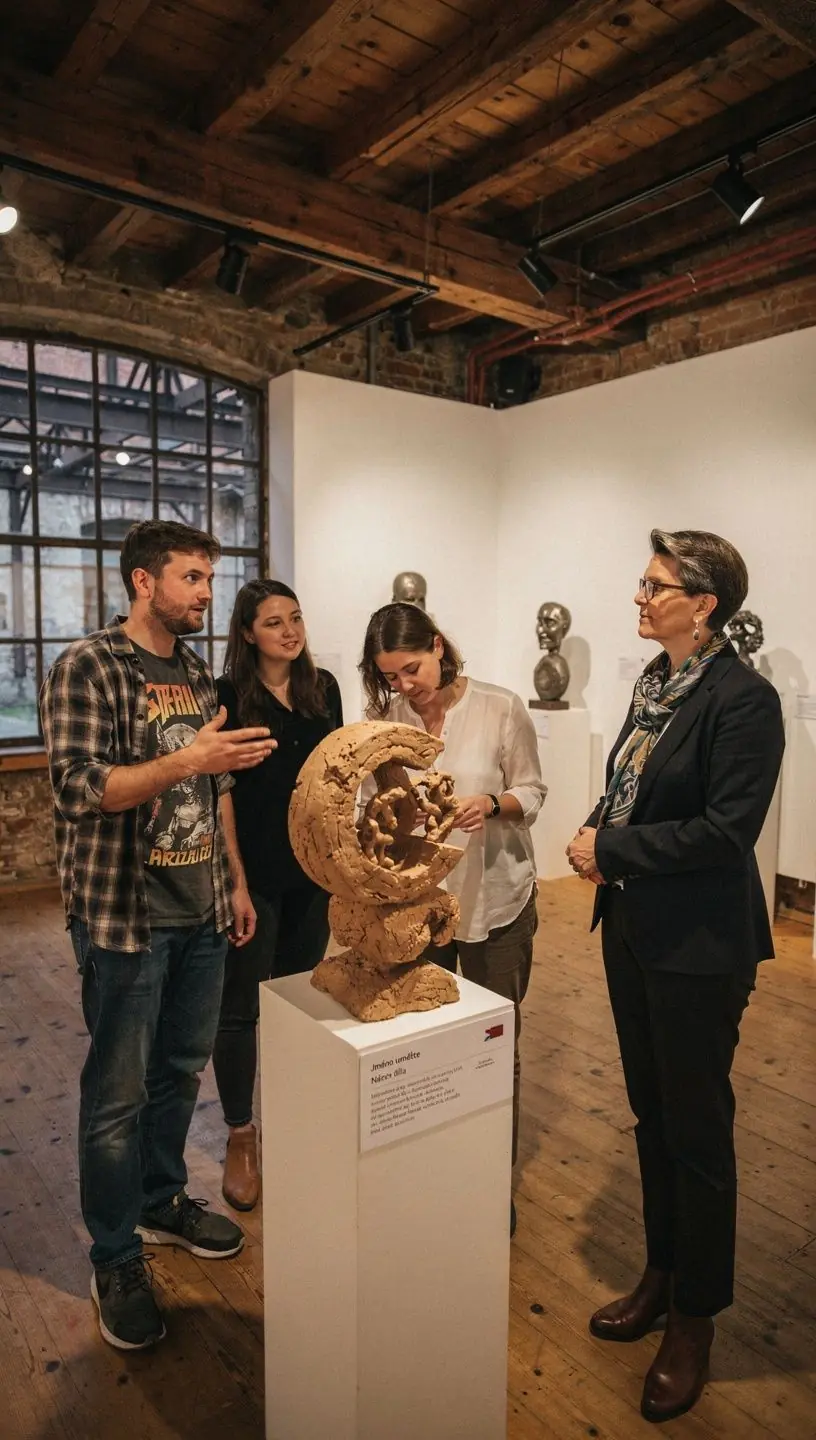
Rotating exhibitions, characterized by frequent changes in displayed artwork, create an environment where artists can adapt and innovate. According to studies, this format typically fosters a sense of urgency and motivation among artists, prompting them to produce new works more regularly than they might in a static setting. Experts in the field suggest that this is due to the need for continuous engagement with audiences and the opportunity to experiment with different themes and mediums.
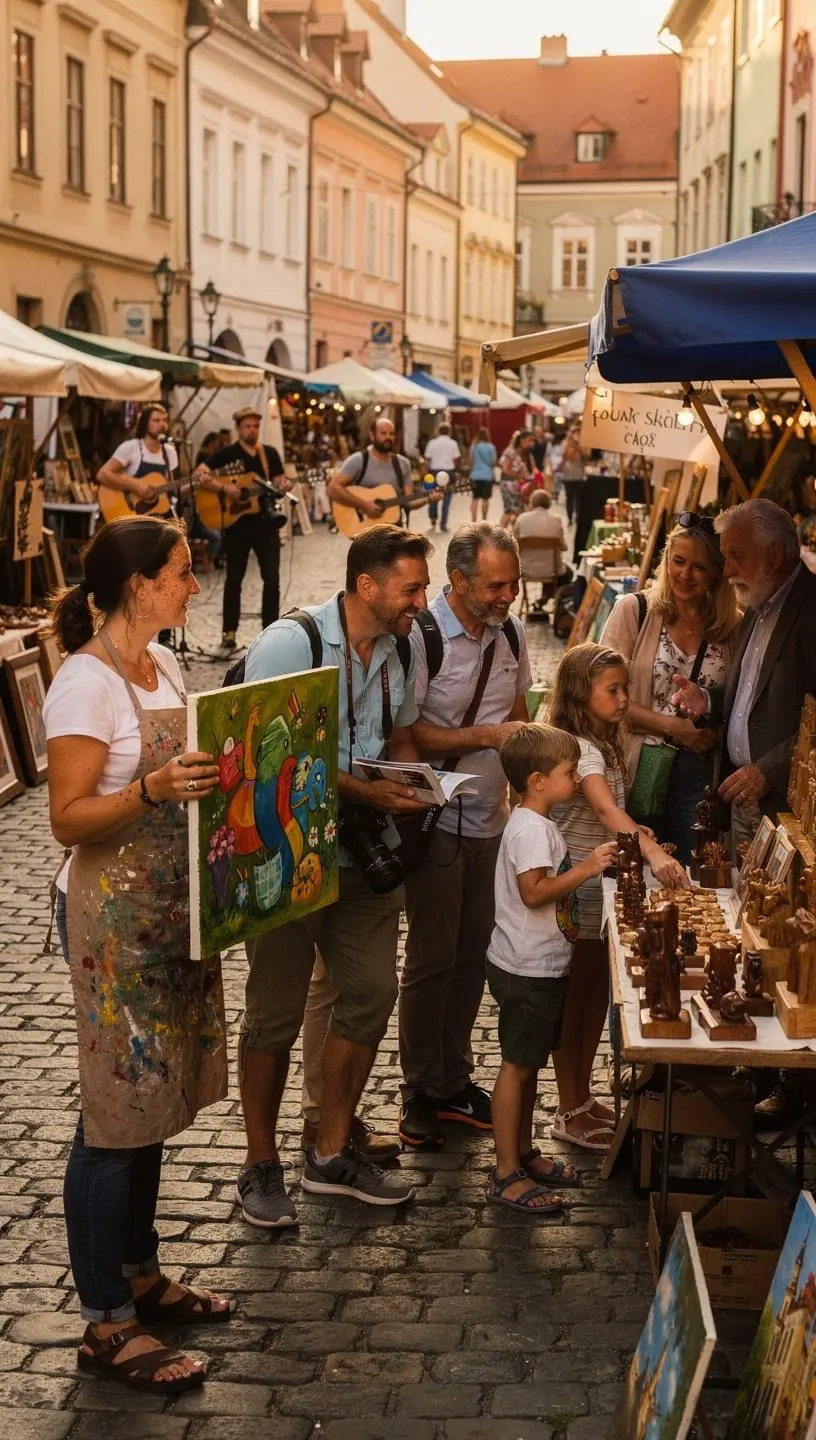
"Rotating exhibitions can act as a catalyst for artistic development, pushing artists to step outside their comfort zones and explore new ideas."
The Impact on Artistic Development
Participation in rotating exhibitions often allows artists to receive immediate feedback from viewers, which can be crucial for their development. In many cases, this direct interaction helps artists refine their techniques and better understand audience preferences. Furthermore, the collaborative nature of these exhibitions encourages networking opportunities and mentorship, which can lead to new creative partnerships.
Key Benefits of Rotating Exhibitions
- Increased Visibility: Exhibiting in rotating shows often brings artists into contact with a larger audience, enhancing their visibility within the local art community.
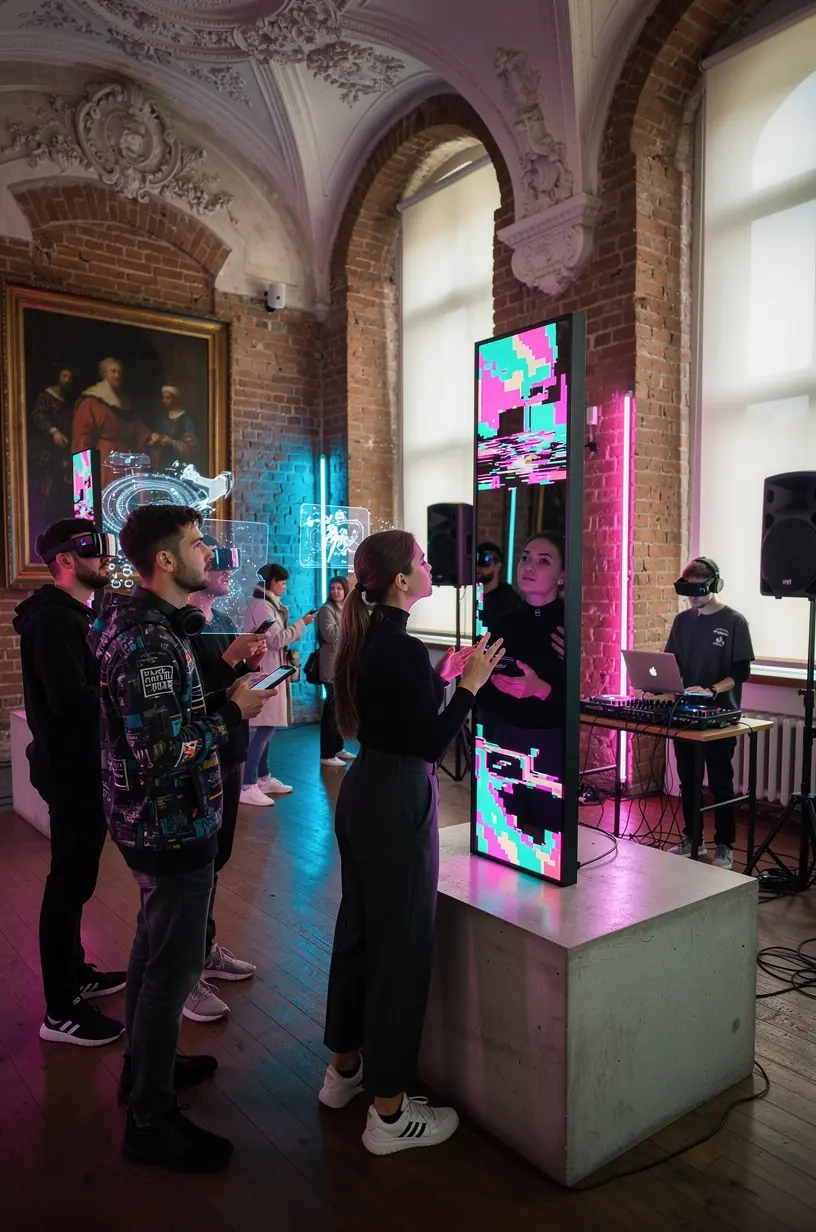
- Encouragement of Experimentation: Artists are frequently motivated to try new techniques or subjects, as the temporary nature of these exhibitions creates a safe space for exploration.
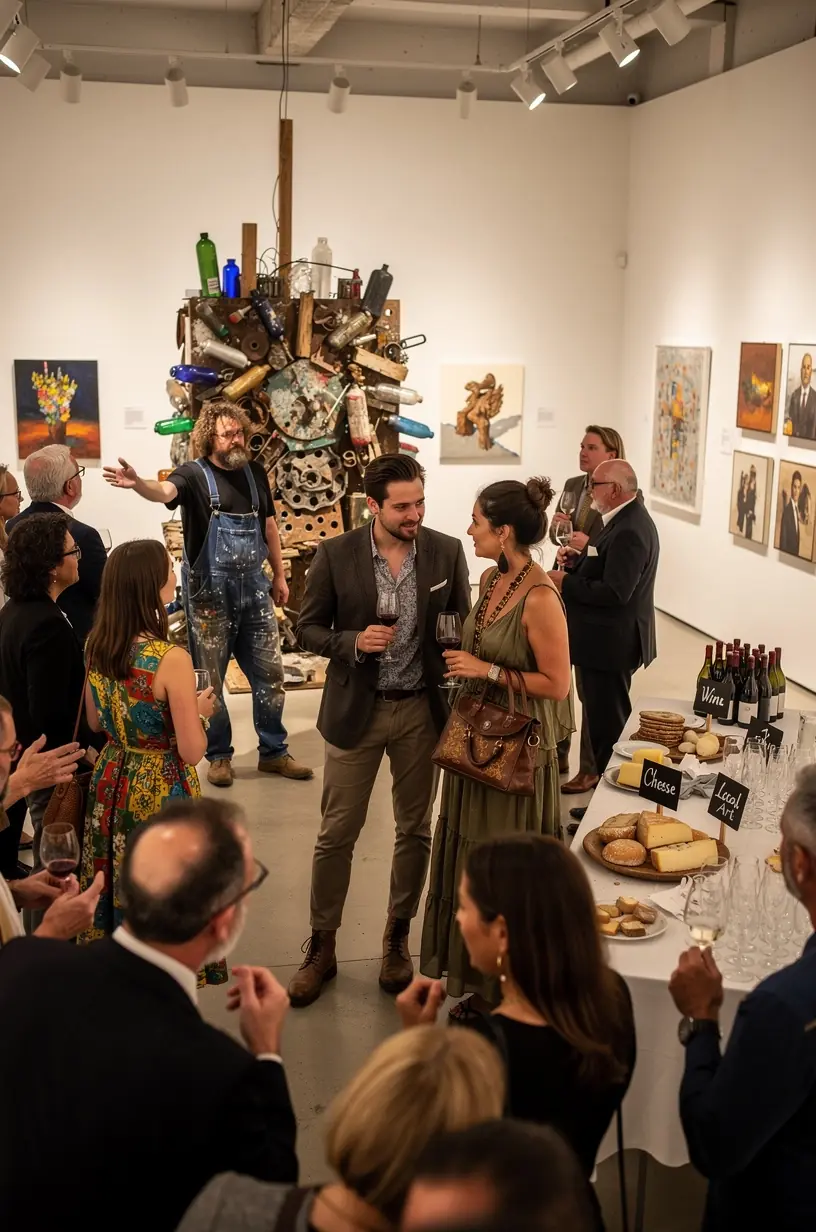
- Building Community: Local exhibitions can foster a sense of belonging and support among artists, leading to collaborative initiatives that enrich the cultural landscape.
Challenges and Considerations
While rotating exhibitions provide numerous benefits, they also present challenges that artists must navigate. Preparing new works for each exhibition can involve significant time and effort, which may not be feasible for all artists. Typically, artists need to allocate several weeks to create and prepare their pieces, requiring careful planning and dedication.
Moreover, the pressure to consistently produce new work can be daunting. Many artists report feeling overwhelmed, especially if they lack a solid support system or mentorship. Therefore, it is essential for artists to establish a healthy balance between exhibition participation and their creative processes.
Conclusion
In summary, rotating exhibitions significantly influence artist practices by encouraging visibility, experimentation, and community engagement. While they offer valuable opportunities for growth, artists must also be mindful of the time and effort involved in participating. By understanding how these exhibitions can shape their artistic journeys, local artists in the Czech Republic can leverage them for their development and success.