The Importance of Artist-Gallery Collaborations
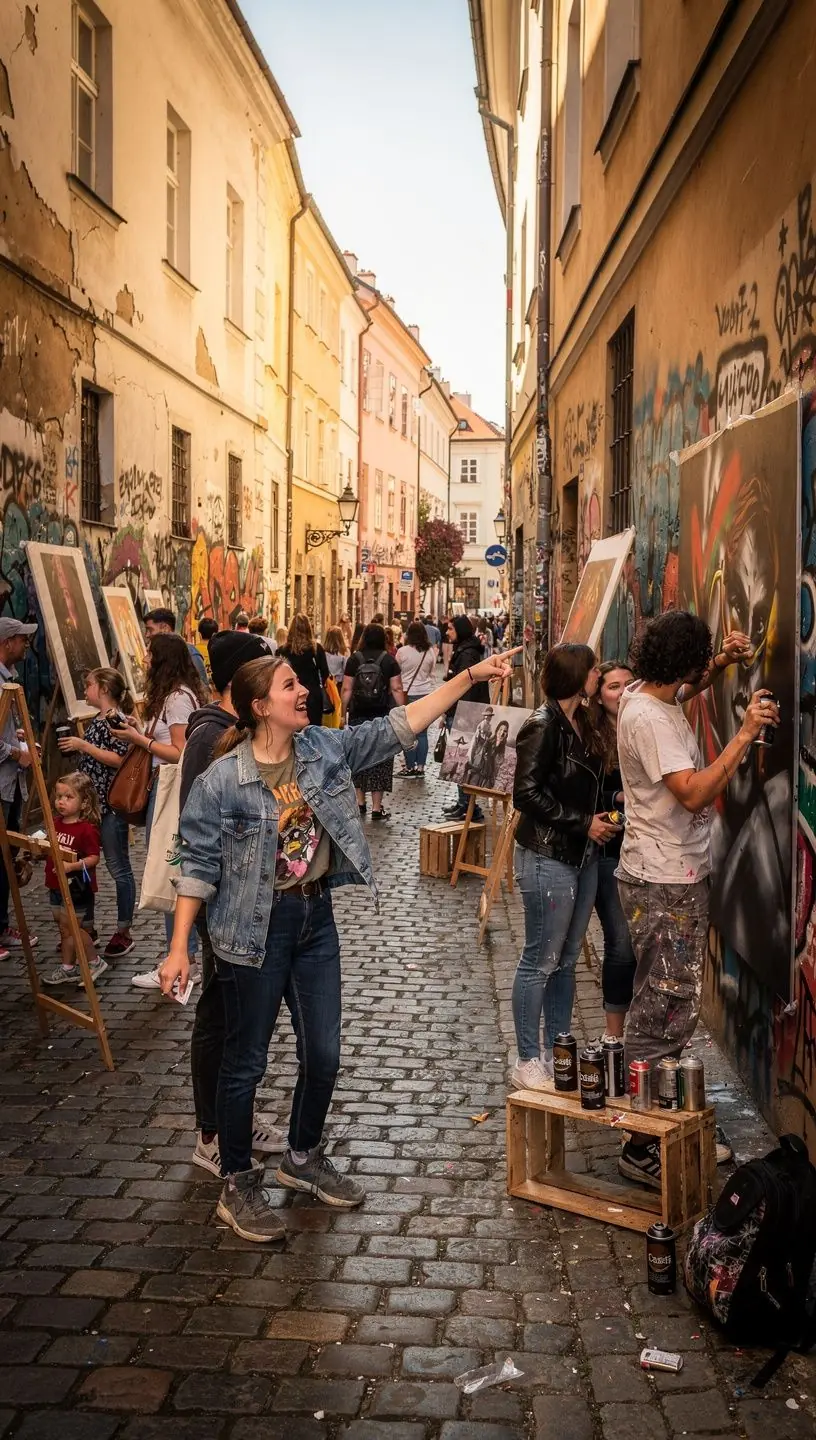
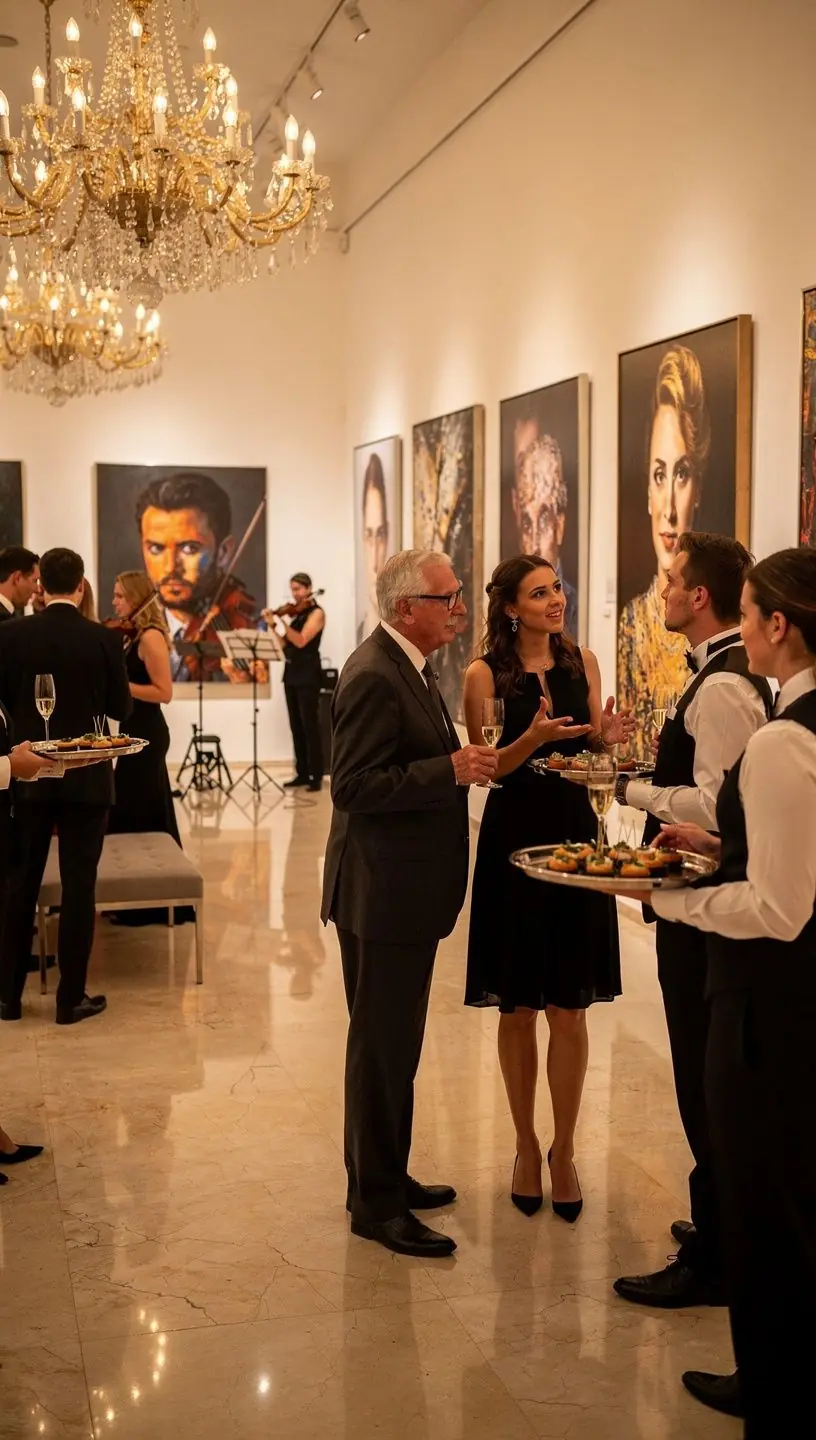
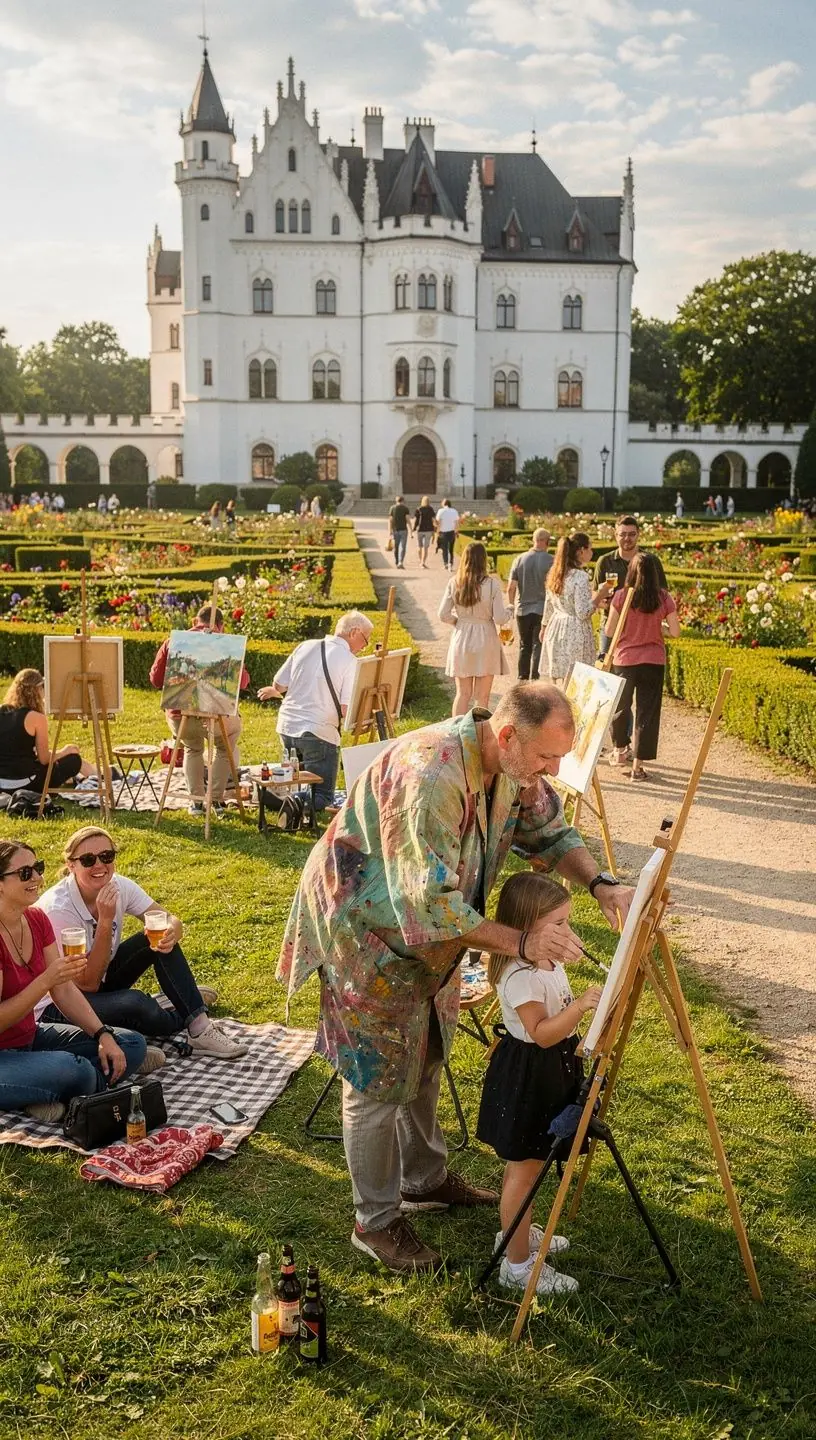
In the evolving landscape of contemporary art, collaborations between artists and galleries play a crucial role in fostering vibrant cultural communities. These partnerships not only enhance the visibility of local talent but also create spaces for cultural exchange and dialogue.
Understanding the Basics
Artist-gallery collaborations often represent a mutually beneficial relationship. According to research conducted by the European Art Foundation, galleries provide essential support to artists by offering them exhibition space, marketing resources, and professional networking opportunities. In return, galleries gain credibility and attract audiences eager to discover new artistic expressions.
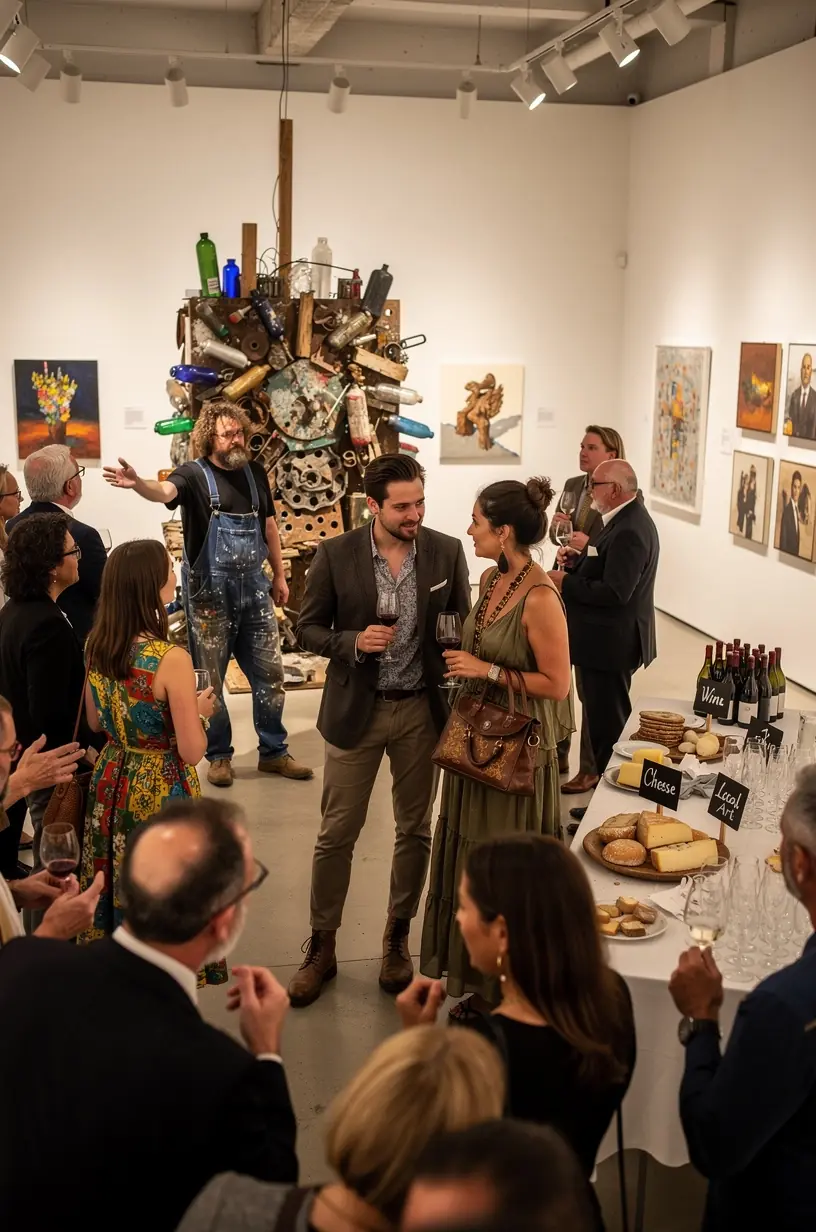
"Collaborations between artists and galleries can significantly enhance the local art scene, providing artists with platforms to showcase their work and engage with the community."
Practical Application
To fully appreciate the impact of these collaborations, it is essential to understand their practical applications:
- Increased Exposure: Artists often find that working with established galleries can increase their visibility. Many artists report that their sales and recognition grow significantly after their work is displayed in a reputable gallery.
- Cultural Events: Galleries frequently host rotating shows and cultural events, which not only showcase artists but also engage the local community. These events can take time to organize, typically requiring several months of planning and coordination.
- Support Systems: Collaborations often provide artists with access to resources such as mentorship and professional development. These systems can help artists refine their skills and navigate the complexities of the art world.
The Role of Local Communities
According to the Czech Ministry of Culture, local art initiatives and community engagement are essential for maintaining cultural heritage and promoting social cohesion. In many cases, communities thrive when local galleries and artists work together, fostering a sense of pride and ownership in cultural development.
Challenges and Realistic Expectations
While the benefits of artist-gallery collaborations are evident, it is important to acknowledge some challenges. Typically, these collaborations require a commitment of time and effort from both parties. Artists may need to invest time in developing relationships with gallery owners, while galleries must continually seek out fresh talent and innovative exhibitions.
Moreover, it is crucial to set realistic expectations. Artists may not see immediate results; instead, building a successful collaboration often takes months or even years. Research indicates that consistent participation in local exhibitions can lead to cumulative benefits over time.
Conclusion
In summary, artist-gallery collaborations play a vital role in promoting local art and culture in Czechia. By understanding the mechanisms behind these partnerships and recognizing the potential challenges, both artists and galleries can work together to create enriching cultural experiences. While the path may require dedication and time, the outcomes can significantly contribute to the vibrancy of the local art scene.