Exploring the Impact of Cultural Events on Urban Development
Cultural events play a significant role in shaping urban landscapes, contributing to both economic and social development. This article delves into how these events can influence urban development, presenting evidence-based insights and practical applications within the context of Czech cities.
Understanding the Role of Cultural Events
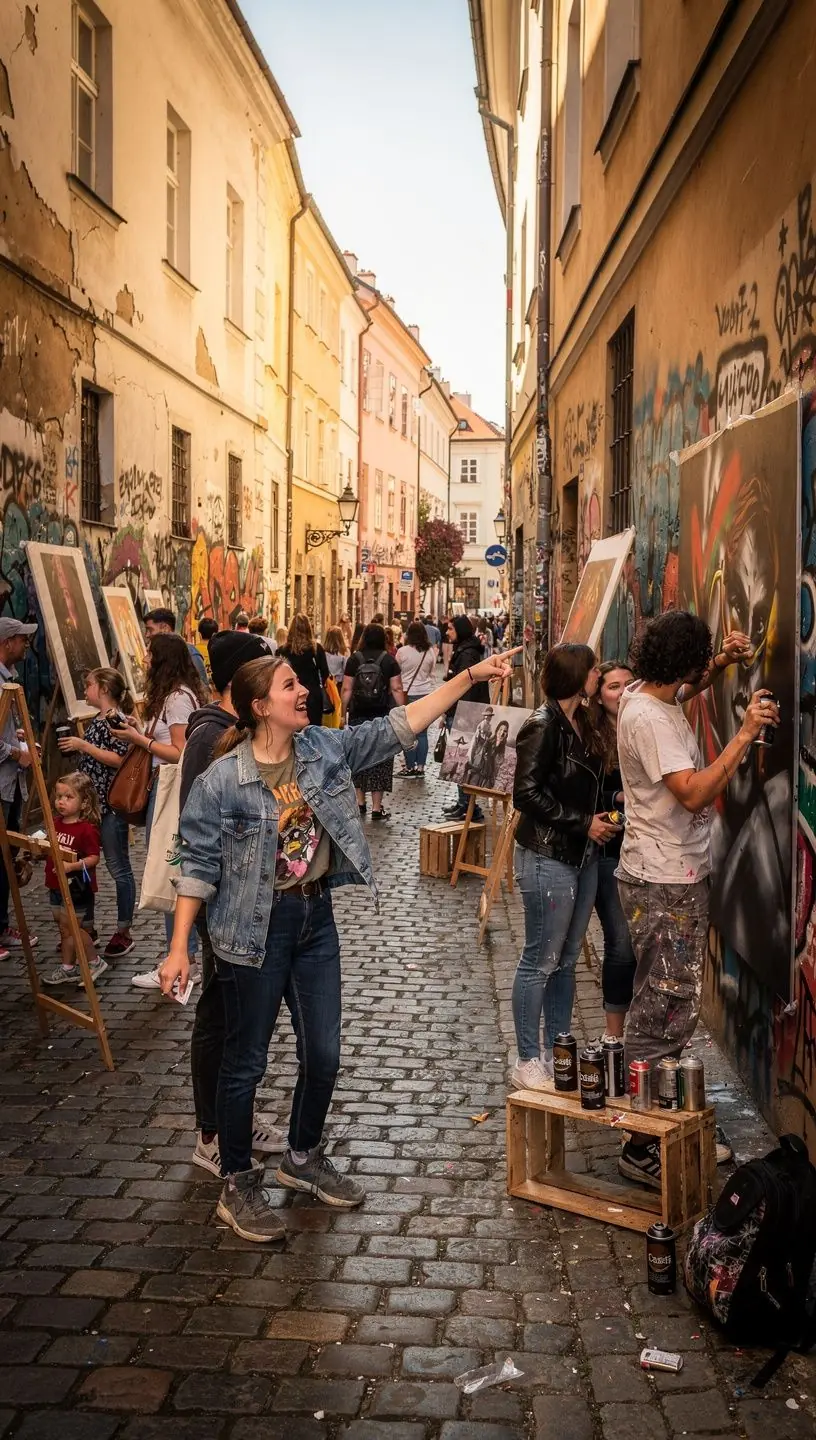
Cultural events, including art exhibitions, local artist showcases, and offline cultural gatherings, often serve as catalysts for urban revitalization. According to studies, cities that host vibrant cultural events typically see increased foot traffic and enhanced community engagement. These gatherings not only attract tourists but also foster a sense of community among residents.
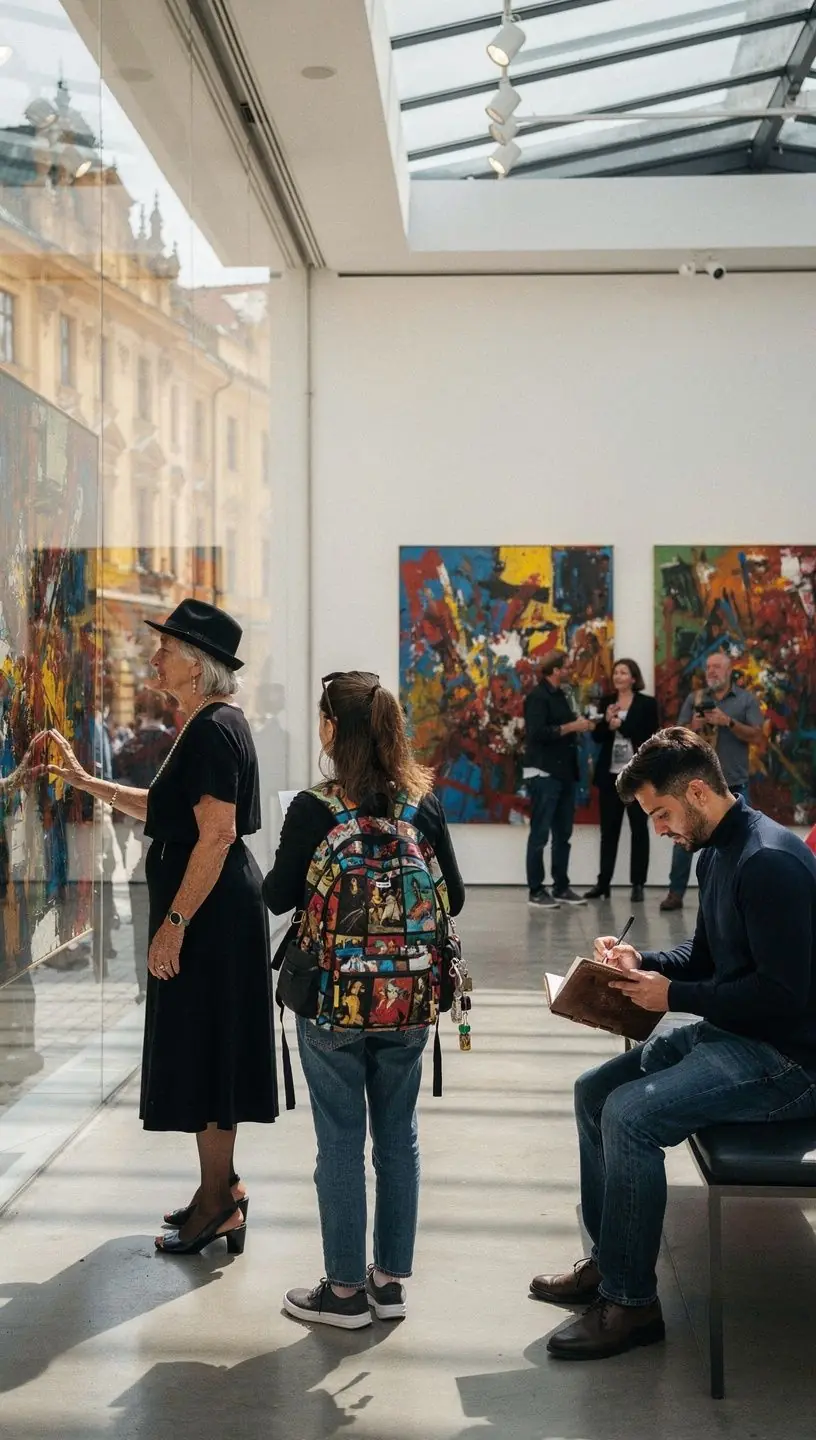
"Cultural events can revitalize neighborhoods, boost local economies, and enhance community cohesion," states urban development expert Dr. Jan Švec.
Economic Benefits of Cultural Events
Research indicates that cultural events can lead to significant economic benefits for urban areas. Here are some ways these events contribute to the local economy:
- Increased Tourism: Cultural events often attract visitors, which can lead to higher revenues for local businesses, including hotels, restaurants, and shops.
- Job Creation: Hosting events frequently requires staffing, which can create temporary and permanent job opportunities for local residents.
- Business Development: Local artists and vendors often gain exposure during cultural events, potentially leading to the establishment of new businesses.
Social and Community Impact
Beyond economic advantages, cultural events also have a profound social impact. They can:
- Enhance Community Identity: By celebrating local culture, these events foster pride and a sense of belonging among residents.
- Encourage Civic Engagement: Participating in cultural events often leads to increased community involvement and volunteerism.
- Promote Inclusivity: Many cultural events aim to be accessible to diverse populations, helping to bridge social divides.
Challenges and Considerations
While the benefits of cultural events are significant, there are challenges to consider:
- Resource Allocation: Organizing successful events typically requires a substantial investment of time and resources, which may not always be readily available.
- Community Buy-In: Success is often contingent on community support; without it, events may struggle to thrive.
- Logistical Issues: Managing crowds and ensuring safety can present challenges that require careful planning and execution.
Conclusion
In summary, cultural events can be a powerful driver of urban development, contributing to economic growth and enhancing community well-being. However, they require careful planning, community engagement, and a commitment of resources to realize their full potential. By understanding and addressing the complexities involved, cities in the Czech Republic can continue to harness the benefits of cultural events to shape vibrant and thriving urban environments.
Learn More