Practical Guide to Organizing Local Art Showcases
Organizing a local art showcase can be an enriching experience for both artists and the community. This guide provides practical insights on how to effectively set up an art exhibition that highlights local talent and engages visitors, while setting realistic expectations for what is involved.
Understanding the Basics
Before diving into the logistics, it’s important to understand the fundamentals of hosting an art showcase. The primary goal is to create an inviting atmosphere where local artists can display their work, connect with audiences, and potentially sell their pieces. According to studies in community engagement, art showcases can foster a sense of belonging and enhance cultural appreciation among attendees. This connection to local culture can be vital in promoting community pride and support.
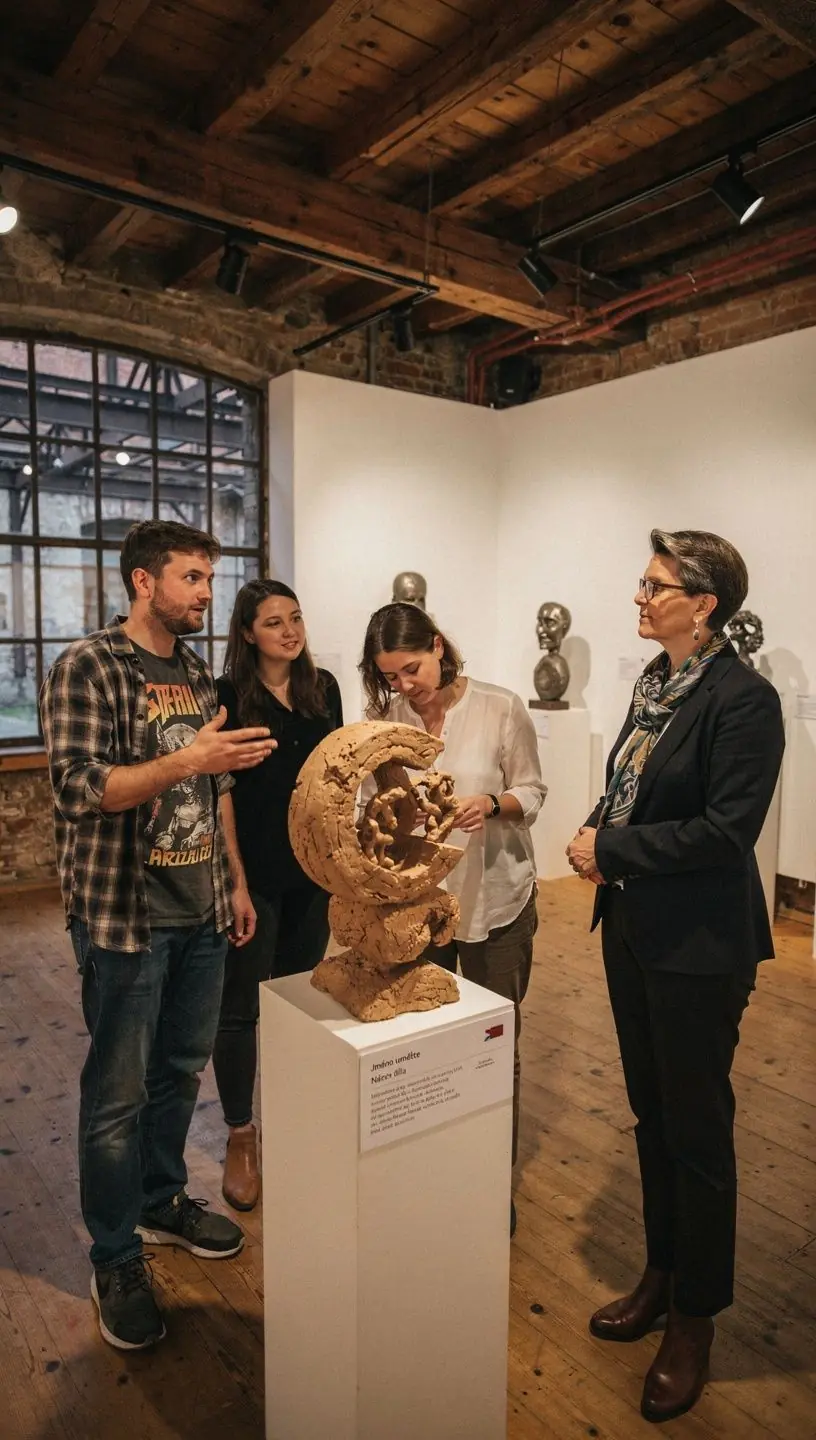
"Art exhibitions not only showcase creativity but also strengthen community ties. Engaging local artists can lead to long-lasting cultural impacts." - Cultural Studies Journal
Steps for Organizing an Art Showcase
Here’s a practical approach to organizing a local art showcase, broken down into manageable steps:
- Define Your Objectives: Identify the purpose of the exhibition. Are you looking to promote emerging artists, raise funds for a local charity, or simply celebrate local culture? Having clear goals will guide your planning process.
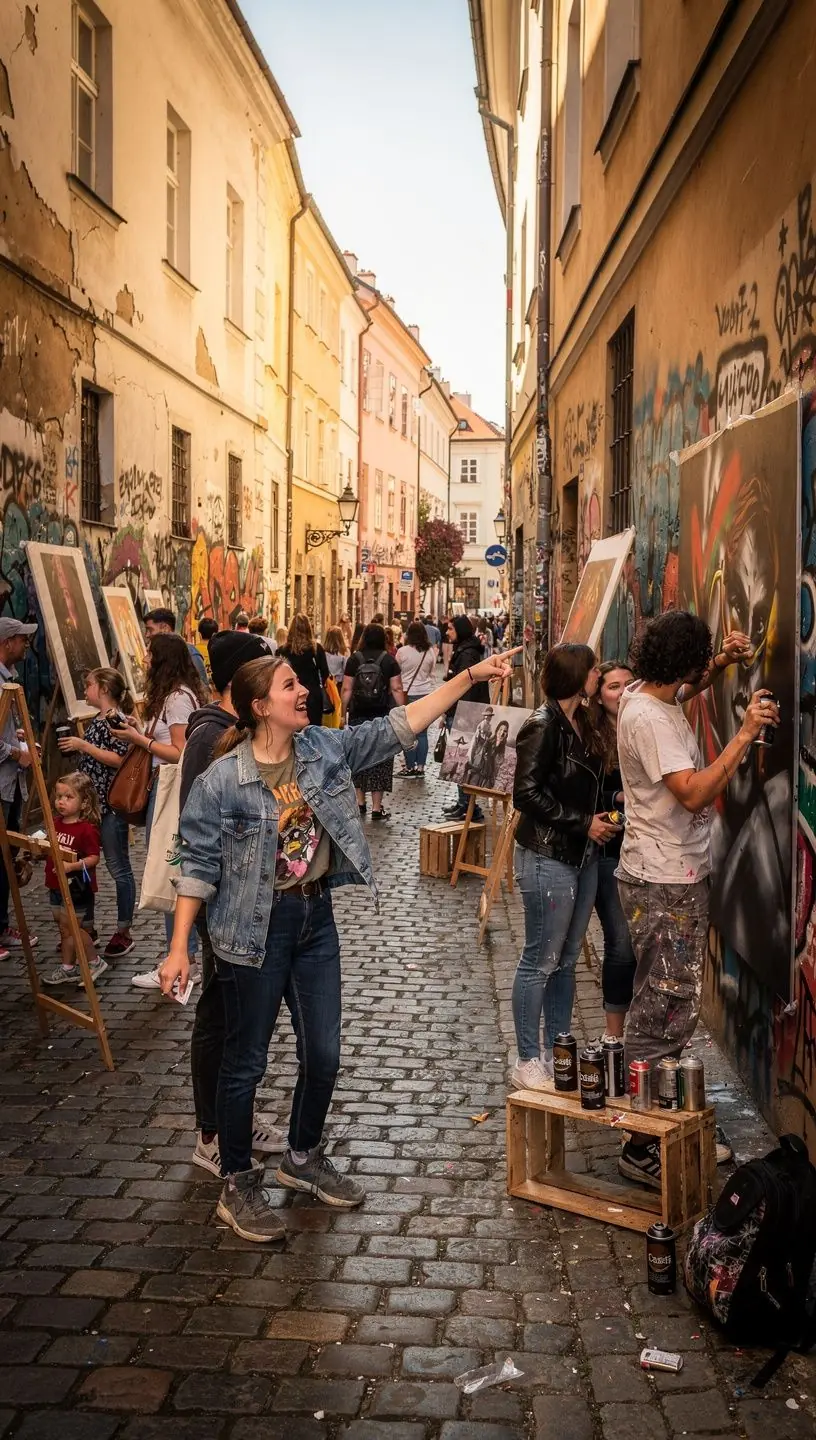
- Choose the Right Venue: The venue should align with your objectives and the type of art being showcased. A gallery, community center, or even an outdoor space can work effectively. Research suggests that visibility and accessibility are key factors in attracting visitors.
- Engage Local Artists: Reach out to local artists through social media platforms or community boards. Experts recommend that showcasing a diverse range of work—from paintings to sculptures—can attract a broader audience and foster inclusivity.
- Plan the Logistics: This involves organizing the setup, lighting, and any materials needed for displaying the art. In most cases, you’ll need to allow 2-4 weeks for proper planning and execution to ensure everything runs smoothly.
- Promote the Event: Utilize social media, local newspapers, and community bulletins to advertise the event. Many organizers find that engaging local influencers can effectively enhance visibility.
- Gather Feedback: After the event, collect feedback from both artists and attendees. This can provide valuable insights for future showcases and helps build a community around local art.
Tips for a Successful Showcase
Here are some additional tips to enhance the effectiveness of your art showcase:
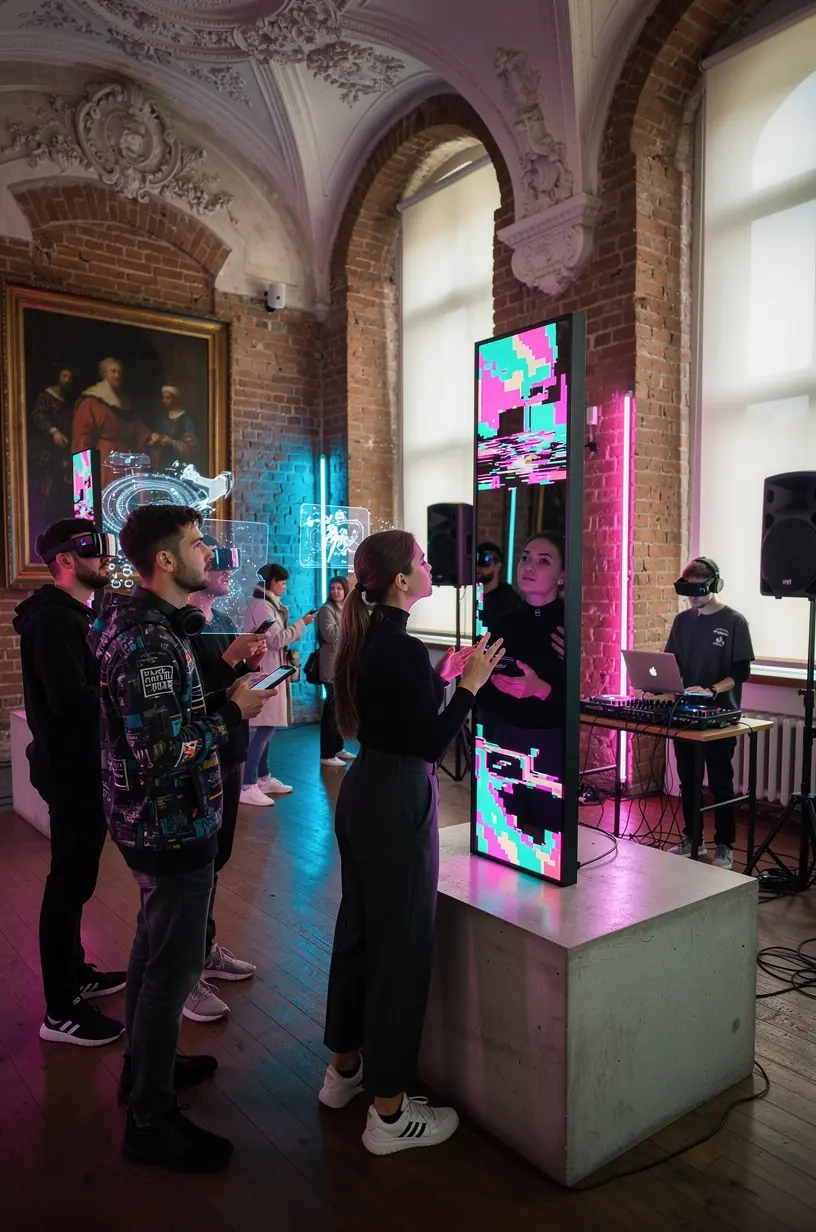
- Incorporate Interactive Elements: Consider including workshops or artist talks during the exhibition. Research indicates that interactive experiences can significantly enhance visitor engagement.
- Set Realistic Expectations: Understand that organizing an art showcase can be time-consuming and may involve unexpected challenges. Be prepared to adapt and troubleshoot as needed.
- Foster Community Involvement: Collaborating with local businesses or schools can strengthen community ties and promote the event further. Many organizers report greater success when community members feel personally invested.
Conclusion
Organizing a local art showcase is a rewarding endeavor that requires careful planning and community involvement. By following these practical steps and setting clear expectations, you can create an exhibition that not only supports local artists but also enriches the cultural fabric of your community. Remember, the goal is to celebrate art and foster connections, which can have lasting benefits for both artists and visitors alike.
Learn More